

I am Ivan Mehta, a consumer tech reporter at TechCrunch. For more than a year, I have covered different aspects of voice AI. From voice generating to voice dictation and assistants, I have seen multimillion-dollar funding rounds to new app launches, and startups concentrating on making voice a primary interface for interaction with users.
This newsletter is an experimental attempt at covering what is happening in this industry, which is growing at a rapid pace. While the title says “voice,” I consider all kinds of AI x Audio as a valid scope for the newsletter.
There was a lot of activity at CES around voice AI. A lot of it is coinciding with rise in voice tools and easy availablity of components to build hardware around it. Here is a non-exhaustive list of gadgets related to voice AI that were on the display at CES :
Productivity
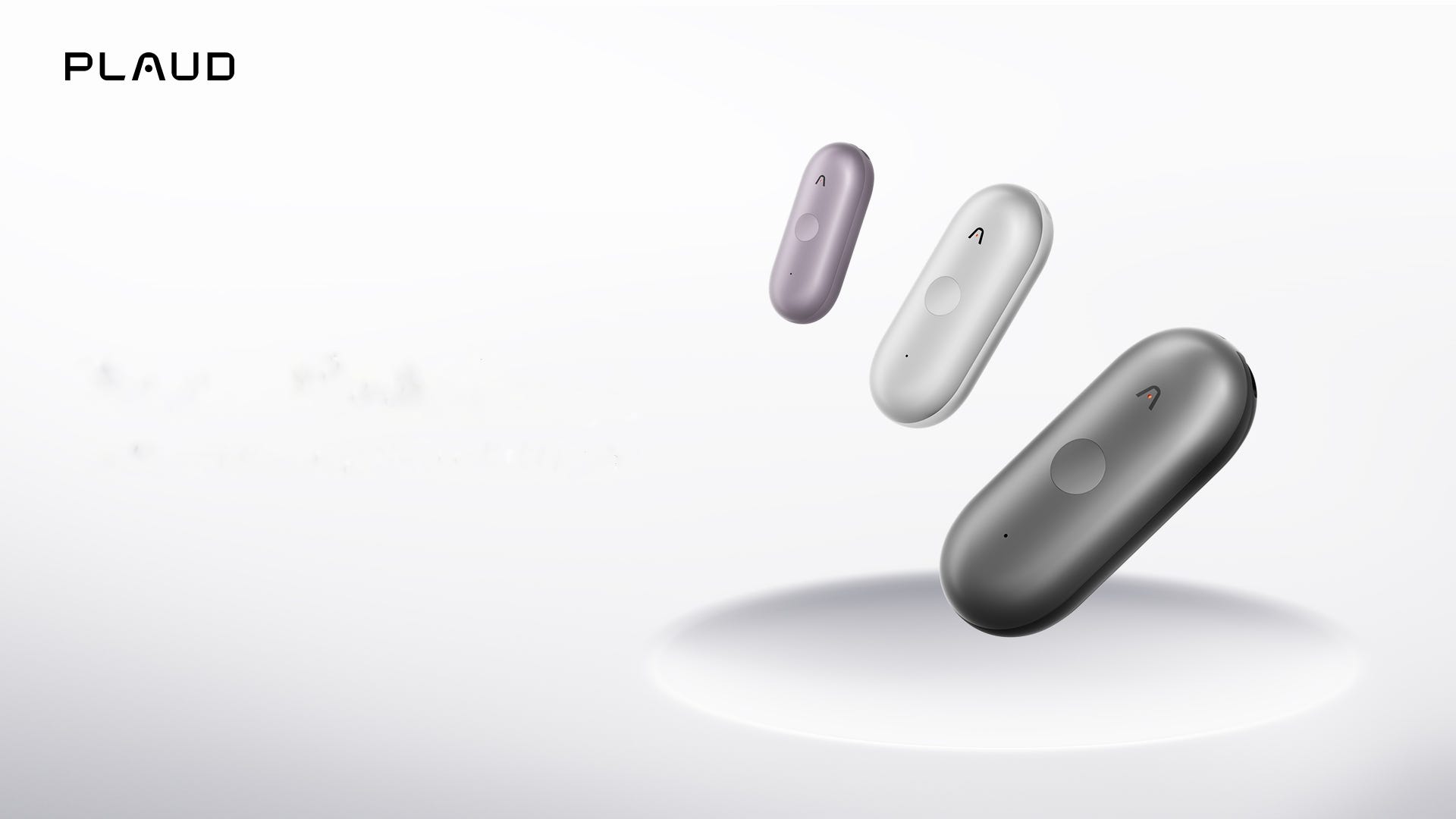
Plaud NotePin: Plaud’s fourth gadget with a physical button.
Vocci Ring: A ring that can record meetings for eight hours in one go.
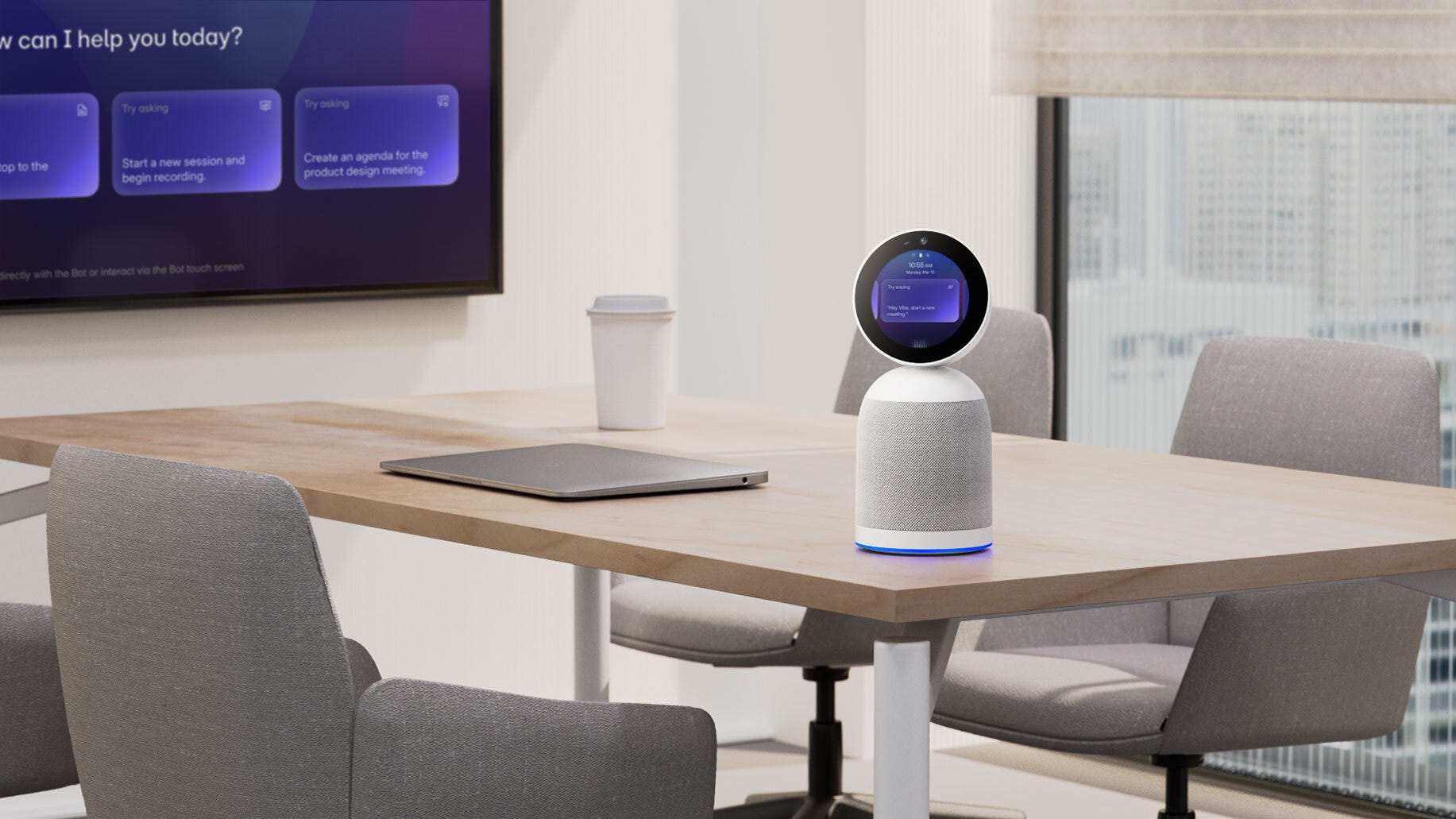
Vibebot: A small robot with web cam, mic, and screen that records meetings and provides insights when you ask it questions using your voice.
Anker Soundcore Work recorder: A sound recorder and transcriber in a pendant form.

SwitchBot AI mindclip: It is another AI recorder in a clip format that weighs 18 grams.
Timekettle translators: The company released a series of translating earbuds that automatically choses AI model based on the languages that are being spoken.
InnAIO transnote: A puck-like device that can translate on the go, record meetings, and also acts as an NFC-powered digital business card.
Viaim speaker: This conference room speaker can transcribe and translate audio.
Appliance
Samsung’s new family fridges have voice-activated door opening and door closing features.
LG’s speaker uses AI to remove vocals from songs for your karaoke sessions.
Lego’s bricks now take sound as input. These are not voice commands, but merely sounds as a trigger to circuits.
Emerson has a bunch of smart appliances that can take your voice command.
Thoughts on the CES gadget
Voice commands for appliances are not a new phenomenon. It’s all fun to see demos on the CES floor, but often, real-life rollout and usage are very different.
Though LG’s speaker that cancels out vocals from songs is an interesting case. I suspect we might see more devices with voice cancellation or isolation capabilities. We already saw Subtle launch the earbuds that use models to isolate your voice from the noise and use it for dictation and transcription.
Productivity is one of the biggest drivers this year in terms of the variety of gadgets at CES. AI-powered notetakers or meeting recorders are possibly the form of “AI gadgets” that work well and are also accepted by users and people present in the room because of the context. People are now used to having their video calls transcribed by a digital tool. In cases where the meetings are not sensitive, participants might be fine with a hardware device taking notes for them and using AI to pan out action items.
Companies are trying to pull in different kinds of customers with form factors like a pin, a credit-card-like puck, a pendant, a pair of earbuds, and a ring. Some companies, like Plaud, might try to capture different users with different form factors or accessories that can let you wear or carry the device in various ways.
We might also see more devices like Vibe Bot and Viaim speakers in enterprise or conference room settings that would act as permanent fixtures to transcribe the meetings or have an AI recall some information from the company’s knowledge base. After all, the core proposition of these notetakers is to help you build context and then recall it later at any point.
This is also an indication that factories in China are making moulds and mics that are suited for devices suited for voice recording. I saw announcements from plenty of new companies I have never heard of. It will be interesting to see if consumers would lean towards reliability (likes of Plaud), cost (Pebble ring), or auxiliary features (Sandbar’s Stream ring with media controller). Personally, a credit card or pin form factor is easy to carry in your bag for professional usage. For personal notetaking I think a ring might be a befitting use case.
Besides note-taking, translation is a core theme of a lot of voice AI products. While they might have more pointed features, their competitor to get to an average user would be AirPods and other earbuds made by phone makers.
Thank you for tuning in. Keep listening.