

I am Ivan Mehta, a consumer tech reporter at TechCrunch. For more than a year, I have covered different aspects of voice AI. From voice generating to voice dictation and assistants, I have seen multimillion-dollar funding rounds to new app launches, and startups concentrating on making voice a primary interface for interaction with users.
This newsletter is an experimental attempt at covering what is happening in this industry, which is growing at a rapid pace. While the title says “voice,” I consider all kinds of AI x Audio as a valid scope for the newsletter.
I don’t yet have a set format for this. So bear with me as I play around and find out what resonates the best.
Top News
Meta acquires a16z-backed Limitless, which produced a pendant by the same name
Limitless was one of the first companies to market a pendant for physical note-taking. The company announced the device in April 2024 and shipped it later in the year. You could wear the device like a necklace or pin it to your shirt.
The company announced last week that it is joining Meta and will work under the Reality Labs team. It is not clear from Meta’s language that if it will keep floating the wearable in its current avatar. And even if they do, customers might not want a recording device with some of the data going to Meta.
Limitless specified on its site that it is not selling pendants anymore. The company is offering users the ability to export the data. In certain regions like the U.K. and Brazil, the startup will delete user data on December 19. In other regions, existing customers of the pendant will be upgraded to the unlimited plan. Limitless said it plans to support those users “at least for a year.”
Having captured users through chat, voice is the next interface and context-capturing surface for big tech companies. Earlier this year, Amazon acquired Bee, the maker of an ever-listening device.
There aren’t many examples of successful AI hardware startups yet. Except maybe Plaud, which has over a million customers for its professional recorder. However, new ones are regularly popping up. But we might see more new devices, investors putting money behind them, and some acquisitions in the next year.
Pebble founder launches a ring to take voice notes
We are still torn about the hardware form factor that will attract the largest number of people to using voice. But lately, more startups and makers are toying with the idea of having a ring on your finger to take notes.
Former Meta employees unveiled the Stream ring in November. And now, Pebble founder Eric Migicovsky has launched a ring called Pebble Index 01. The Stream ring is a highly engineered and designed piece of hardware.
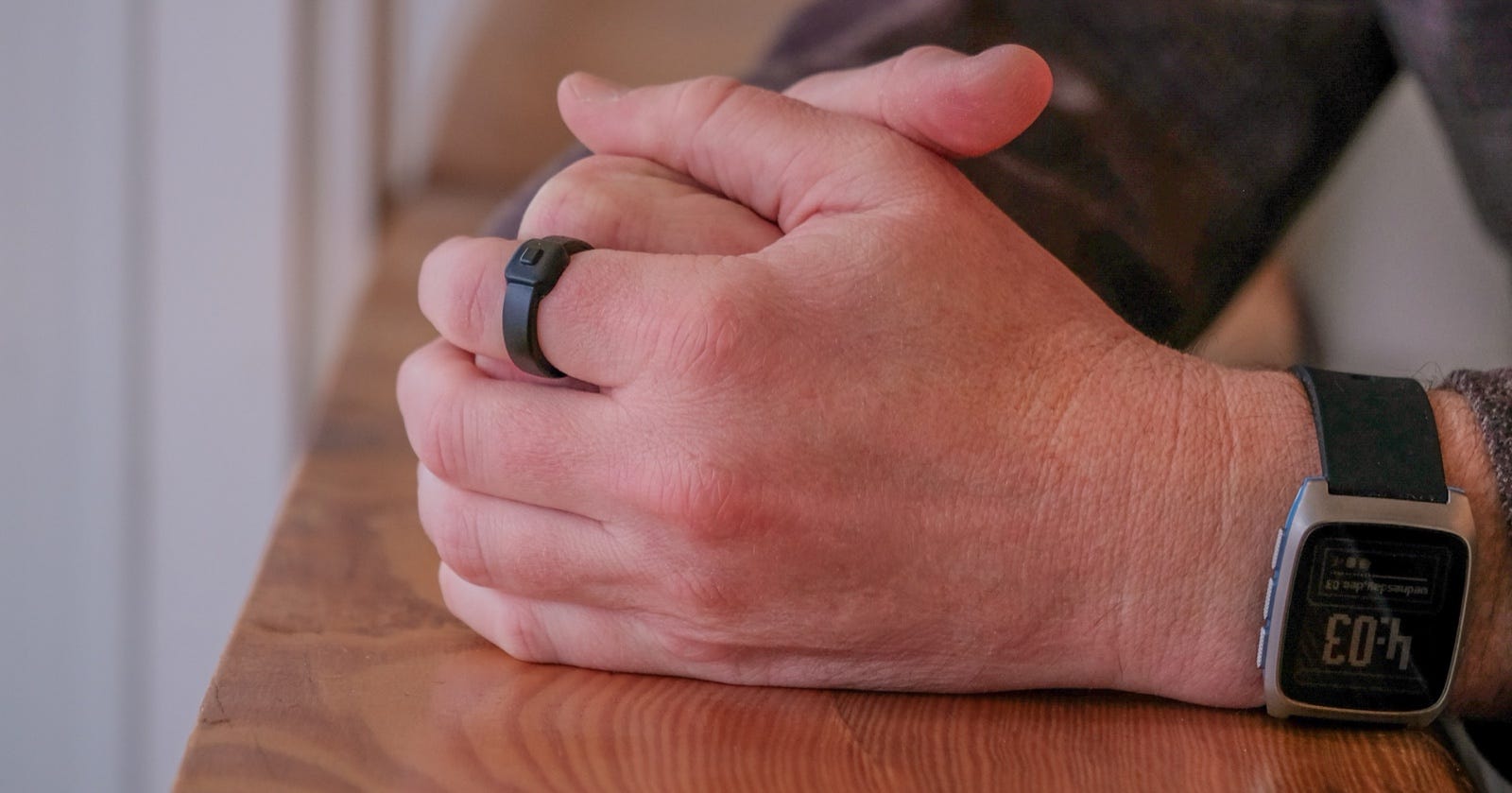
In comparison, Pebble’s $75 ring is basic. It has a tiny button on top, never needs charging, works without an internet connection, and doesn’t have a subscription component. Migicovsky says the software is open-sourced and there is MCP (Model Context Protocol) support to connect to other AI services. That means there is ample room for customization.
Just like Pebble, it is a gadget that is affordable and hackable enough to attract a set of geeks to place a pre-order.
Quick hits
Health-tech company Healthify upgraded its assistant with live conversation capabilities. The company plans to add voice interactions to the onboarding flow, which is a growing trend.
Indian voice pendant startup Neosapien raised $2 million to develop its device line. Is Pendant vs Ring a thing?
ElevenLabs is partnering with Meta for more AI-generated voice-related stuff on its social platform. Meta will use the voice platform’s tech for dubbing Reels and generating music.
Thank you for tuning in. Keep listening.
Email: at voiceaiweek@gmail.com or im@ivanmehta.com