

During his onstage conversation at TechCrunch Disrupt last year, ElevenLabs CEO Mati Staniszewski said that audio models will be “commoditized” over time. He admitted that there might be differences in voices and languages for models, but they would be small.
If models are commoditized, what is the next big business for ElevenLabs? The answer might be in its upcoming app Eleven Music. On the App Store, the app listing says that users will be able to download the app on April 1, 2026 (unless it is an April Fool's prank). This could be the company’s move to compete against the likes of Suno and Udio.
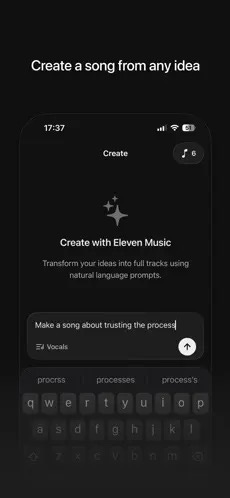
The app will let you create music based on text prompts along with vocals. The screenshots suggest that you can also remix songs that were created on the platform. They also note that you might be able to put them into an album and enable discovery.
The app store description reads:
“Create Your Own Tracks. Turn inspiration into music with easy-to-use creation tools. Ideate with AI then shape melodies, vocals, and instrumentals to build original tracks that reflect your style. Perfect for experimenting, songwriting, or just having fun with sound.”
ElevenLabs has run this playbook a few times with its previous consumer apps a few times. First, the company will build the model, then it’ll build the API and platform for prosumers and companies, and then release a consumer app. The company has done this with its voice generation app and then with its reader app.
Last year, the company also started allowing authors to create and publish audiobooks on its reader app. The company also allowed authors to earn royalties from its platform based on listener engagement. Staniszewski has already said that the company has paid over $11 million to people who have uploaded voices on its platform and are being used by its clients. The music platform could go on the same route.

The company is even hiring for a marketing lead for its new app and other consumer-facing music solutions it might release in the future.
Even though a lot of conversations around ElevenLabs lately are surrounding voice agents and enterprise use cases like customer support, the company’s USP is in text-to-speech models with high-quality voices. It has been associated with creative companies for a long time. For instance, it has been powering voices for India-based audio platforms such as Pocket FM and Kuku FM.
Besides, in the last few years, it has launched tools for creating voices, enabling audio narration for publishers, along with models that can let users control pitch, tone, and emotions, and generate sound effects based on text prompts.
ElevenLabs started turning its attention to music last year with the launch of a new tool. Though its SFX model released earlier also had capabilities to generate an instrumental music clip. During the launch, ElevenLabs had claimed that its tools were compliant with licensing norms and that the music generated could be used commercially.
The company has been pushing heavily into music since the launch of its music generation model. This year, it introduced pro features such as an API for developers and stem separation (a way to isolate different tracks like drum, bass, and guitar). ElevenLabs even hired Derek Cournoyer as a strategy lead from indie publisher Kobalt to lead its music business.
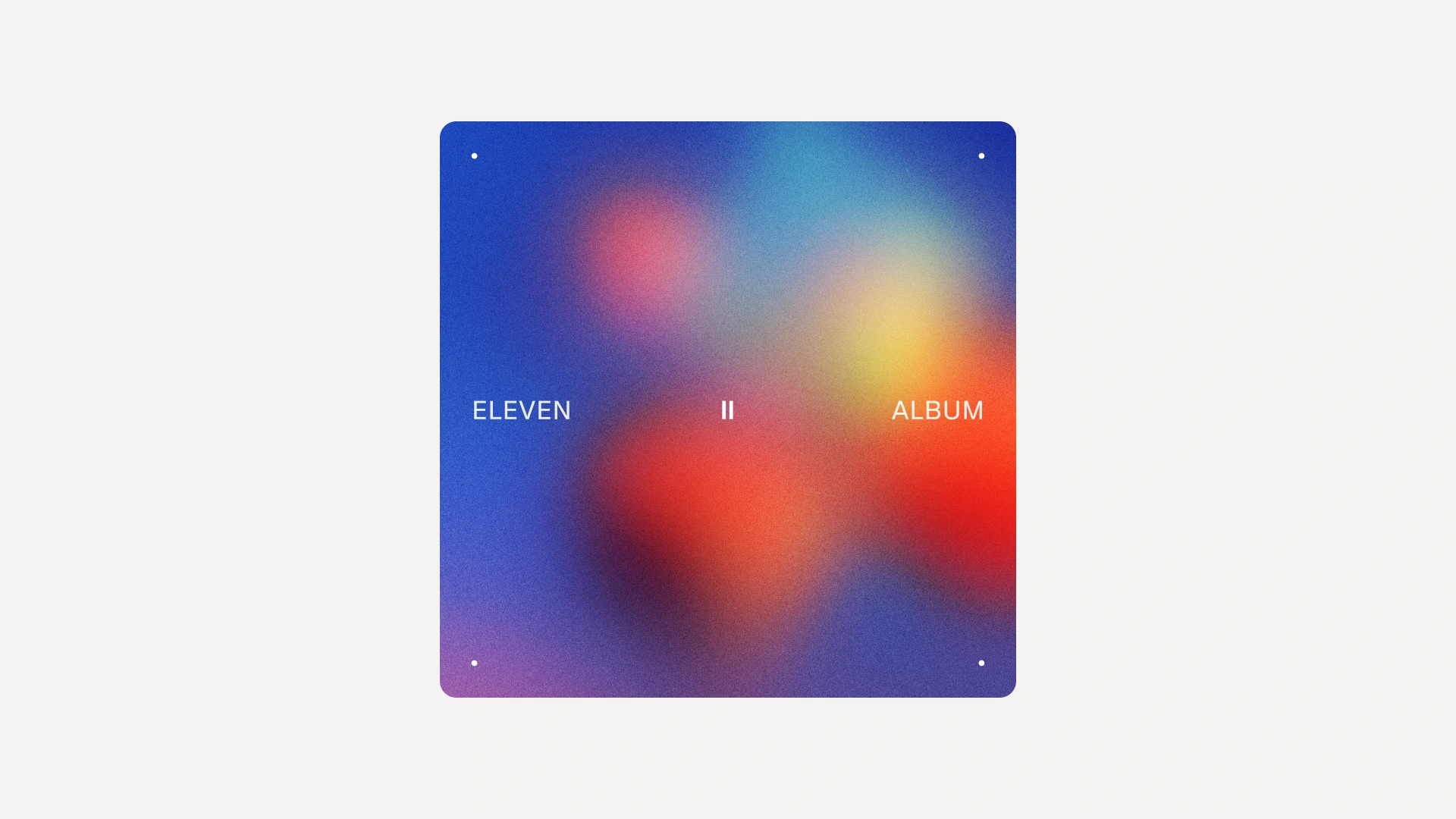
To show off its technology, the company released ElevenAlbum, a music album by top producers who used the company’s tech to create some of the tracks. Some top names included Angelbaby, Art Garfunkel, Demitri Leiros, Liza Minnelli, and Sunsetto.
Companies like Suno and Udio have faced lawsuits and scrutiny around music training data. If ElevenLabs’s music platform is as compliant as it claims to be, the music platform won’t have any trouble in scaling.
Music generation has its demand in marketing, advertising, and content creation as well. Google has seen that gap and released two music generation models (a base and a Pro version), and made it available in places like the Gemini app (consumer), Vids video editing app, and ProducerAI music workstation (professional use cases), along with making it available through its cloud platform Vertex, Gemini API, and Google App Studio.
With its music generation stack, ElevenLabs would hope to create similar effects in different verticals, ranging from consumer apps to marketing suites. The company already powers dubbing for Reels through a partnership with Meta. We might see music generation taking the same road. The company now has a new creative platform to enable voiceovers, video generation, sound effects, and image creation all packed in one. This indicates that the company wants to compete with all end-to-end creation platforms, including Adobe, Canva, and Google.